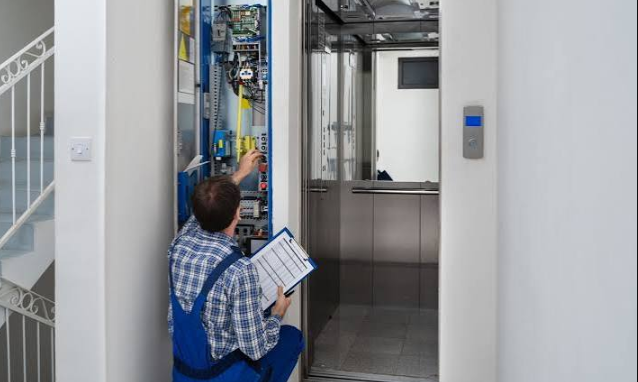

Home elevators are becoming a practical accessibility feature for residential properties with multiple floors. They can help individuals with limited mobility move between levels more comfortably and make daily activities more convenient. Some homeowners also install residential elevators during major renovations to support long-term accessibility and changing household needs.
However, installing a home elevator involves more than selecting the right equipment and preparing the necessary space. Residential elevators require suitable electrical connections, properly designed circuits, and reliable protective devices. Understanding these requirements can help homeowners plan safe installations and maintain dependable electrical performance.
Why Electrical Planning Is Important for Residential Elevators
Home elevators use electrical equipment to control movement, operate safety features, and manage communication between different floors.
Their electrical requirements depend on the elevator type, motor configuration, operating voltage, and manufacturer specifications.
Proper electrical planning provides several important benefits:
- Supports reliable elevator operation.
- Helps prevent overloaded electrical circuits.
- Provides suitable power for elevator controls and motors.
- Supports the operation of required safety equipment.
- Identifies existing electrical capacity limitations.
- Reduces unexpected electrical interruptions.
- Helps ensure compliance with applicable installation requirements.
A qualified electrician should evaluate the property’s electrical infrastructure before elevator installation begins.
Understanding Different Types of Residential Elevators
Several elevator technologies are available for residential properties, and their electrical requirements can vary.
Hydraulic Home Elevators
Hydraulic elevators use a hydraulic system to raise and lower the elevator car.
An electric motor typically powers the hydraulic pump, making suitable electrical connections essential.
These systems may have specific motor starting and operating requirements.
Traction Home Elevators
Traction elevators use a motor-driven system to move the elevator car.
Their electrical requirements depend on the equipment design and operating characteristics.
Winding Drum Elevators
Winding drum systems use motorized equipment to raise and lower the elevator car through a cable arrangement.
Proper electrical supply and control-system connections are necessary for safe operation.
Pneumatic Residential Elevators
Certain residential elevators use air pressure differences to move the passenger cabin.
These systems require electricity for their operating equipment and controls.
Platform Lifts
Residential platform lifts are designed to support accessibility in certain building configurations.
Their electrical requirements should be evaluated according to the selected equipment and applicable standards.
Common Electrical Challenges During Home Elevator Installation
Adding a residential elevator can introduce electrical requirements that existing infrastructure may not accommodate.
Insufficient Electrical Capacity
Some older properties have electrical systems designed for lower electricity consumption.
Installing motor-driven elevator equipment may increase the property’s electrical demand.
Limited Circuit Availability
Residential elevators often require dedicated electrical connections.
Existing distribution equipment may not have suitable space or arrangements for additional circuits.
Aging Electrical Wiring
Electrical wiring can deteriorate because of damaged insulation, moisture exposure, or previous improper modifications.
These problems should be corrected before new equipment is connected.
Incompatible Circuit Protection
Protective devices must be suitable for the elevator’s electrical requirements and manufacturer specifications.
Improper Existing Installations
Previous electrical modifications may have introduced unsuitable wiring arrangements or incompatible components.
A professional inspection can identify concerns requiring attention.
How Electrical Capacity Affects Elevator Installation
Electrical capacity is an important consideration when adding motor-driven equipment to a residential property.
Reviewing Motor Requirements
Elevator motors may draw additional electrical current during startup.
Circuit design must account for equipment operating characteristics.
Evaluating Household Electrical Demand
Other appliances, heating systems, cooling equipment, and lighting circuits contribute to overall household electricity consumption.
Assessing Available Service Capacity
Professional load calculations help determine whether the electrical service can accommodate the proposed elevator installation.
Considering Future Equipment
Homeowners planning additional appliances or renovations should consider these requirements during electrical planning.
Reviewing Manufacturer Specifications
Elevator manufacturers provide electrical ratings and installation instructions that must be followed.
Warning Signs That Existing Electrical Equipment Needs Attention
Homeowners should investigate electrical problems before introducing additional equipment.
Frequently Tripping Circuit Breakers
Repeated breaker trips may indicate overloaded circuits, defective electrical components, or damaged wiring.
Flickering or Dimming Lights
Persistent lighting fluctuations can result from loose connections, voltage variations, or other electrical problems.
Burning Odors
A burning smell near electrical equipment may indicate overheating or damaged insulation.
This condition requires urgent professional attention.
Unusual Electrical Sounds
Buzzing, popping, or crackling noises may suggest potentially dangerous electrical conditions.
Visible Equipment Damage
Corrosion, damaged enclosures, and signs of overheating should receive professional evaluation.
When Should Homeowners Consider Replacing Electrical Distribution Equipment?
Installing a residential elevator does not automatically require replacing existing electrical distribution equipment.
Some properties already have suitable electrical capacity and appropriate circuit arrangements for the selected system.
However, an electrical panel replacement may be necessary when existing equipment is significantly deteriorated, contains incompatible components, or cannot safely support the property’s calculated electrical requirements.
A licensed electrician can inspect the installation and determine whether additional circuits, equipment replacement, or electrical service modifications are appropriate.
Replacing distribution equipment alone does not automatically increase the electrical capacity supplied by the utility.
Important Steps Before Installing a Home Elevator
Careful preparation helps homeowners understand the requirements of the proposed installation.
Select Suitable Elevator Equipment
Homeowners should choose equipment appropriate for the property’s layout, accessibility needs, and structural conditions.
Review Electrical Specifications
The elevator’s operating voltage, current requirements, and electrical installation instructions should be evaluated.
Assess Existing Electrical Infrastructure
A qualified electrician should inspect distribution equipment and determine whether the installation can accommodate the elevator.
Coordinate With Installation Professionals
Elevator installers, electricians, and building contractors should coordinate the project to ensure compatible construction and electrical arrangements.
Evaluate Emergency Features
Homeowners should understand how the selected elevator responds to power interruptions and which emergency features are included.
Understand Permit Requirements
Residential elevator installations may require building permits, electrical permits, equipment inspections, and other approvals depending on local regulations.
Essential Electrical Safety Features for Home Elevators
Residential elevators require appropriate protective measures to support safe operation.
Dedicated Electrical Connections
Many residential elevators require dedicated electrical circuits designed according to equipment specifications.
Suitable Circuit Protection
Circuit breakers and other protective devices must be properly selected for the connected equipment.
Grounding and Bonding
Grounding and bonding arrangements are important components of elevator electrical safety.
Emergency Operation Features
Some residential elevators include battery-powered emergency lowering or other emergency functions.
Their operation depends on the equipment design and manufacturer specifications.
Accessible Disconnecting Equipment
Electrical disconnecting devices must be installed where required by applicable standards.
How Professional Electricians Support Elevator Installation
Professional electrical services help ensure that elevator equipment receives an appropriate power supply.
Initial Electrical Inspection
An electrician examines existing distribution equipment and identifies potential safety concerns.
Electrical Load Calculations
Professional calculations help determine whether the property’s electrical infrastructure can support the proposed elevator.
Circuit Design
Required electrical circuits are designed according to equipment ratings and applicable codes.
Equipment Compatibility Review
Wiring, protective devices, disconnecting equipment, and other components must be suitable for the selected elevator system.
Final Testing and Verification
Completed electrical connections should be inspected and tested.
The elevator itself must also undergo the testing and inspections required for its installation and intended use.
Why Emergency Power Planning Matters
Electrical interruptions can affect the operation of motor-driven residential elevators.
Understanding Power Failure Behavior
Different elevator systems respond differently when utility electricity becomes unavailable.
Some models may stop until power is restored, while others provide specific emergency functions.
Battery-Operated Emergency Features
Certain systems use backup batteries to support emergency lowering, lighting, or communication functions.
These features should be maintained according to manufacturer instructions.
Backup Generator Compatibility
Some residential elevators may be compatible with properly designed generator installations.
Professional evaluation is necessary to determine whether the generator and transfer equipment are suitable.
Emergency Communication
Depending on the installation and applicable requirements, elevator systems may include emergency communication devices.
Safe Operating Procedures
Homeowners should understand the manufacturer’s emergency instructions and avoid attempting unauthorized repairs or rescue procedures.
Common Mistakes to Avoid During Elevator Installation
Improper electrical planning can create safety concerns and equipment problems.
Ignoring Electrical Load Requirements
Installing motor-driven equipment without evaluating available capacity can lead to electrical complications.
Using Incompatible Electrical Components
Protective devices and wiring must meet relevant equipment requirements.
Neglecting Emergency Features
Required emergency functions should be installed, tested, and maintained according to manufacturer instructions.
Overlooking Building Requirements
Residential elevator installation may involve structural, accessibility, electrical, and equipment-specific regulations.
Attempting Unqualified Electrical Repairs
Electrical distribution equipment may contain energized components even after the main breaker is switched off.
Internal electrical modifications should be performed only by qualified professionals.
Preventive Maintenance Tips for Residential Elevators
Regular maintenance helps preserve equipment reliability and supports safe operation.
Follow Manufacturer Maintenance Schedules
Elevator components should be inspected and maintained according to the manufacturer’s recommendations.
Monitor Unusual Operation
Unexpected stops, unusual sounds, or repeated equipment faults should receive professional attention.
Maintain Electrical Equipment Accessibility
Electrical enclosures and required disconnecting devices should remain accessible to qualified personnel.
Inspect Emergency Features
Backup batteries and other emergency components should be checked according to applicable maintenance requirements.
Schedule Qualified Inspections
Elevator technicians and licensed electricians can identify developing equipment problems and recommend appropriate corrective measures.
Long-Term Benefits of Proper Elevator Electrical Planning
A properly designed elevator installation can improve residential accessibility while supporting dependable equipment operation.
Professional electrical planning helps ensure that existing infrastructure is suitable for the elevator’s power requirements.
Appropriate circuits, compatible protective devices, and qualified installation also support long-term equipment reliability.
Maintaining inspection records and following recommended maintenance procedures can help homeowners manage future repairs and equipment servicing.
By evaluating electrical requirements before installation, homeowners can avoid unnecessary modifications and make more informed improvement decisions.
Conclusion
Installing a residential elevator requires careful consideration of electrical capacity, motor requirements, circuit protection, and emergency operation features.
Homeowners should evaluate existing electrical infrastructure before introducing elevator equipment and arrange professional assistance when modifications are necessary.
With suitable planning, qualified installation, proper inspections, and preventive maintenance, residential properties can support reliable elevator operation while maintaining safer and more dependable electrical systems.